Starting Triathlon in 2026: A Beginner’s Guide
Speedhub | January 01 2026Starting Triathlon in 2026: A Beginner’s Guide
Triathlon has never been more accessible. As we head into 2026, new technology, better coaching resources, and a more inclusive race culture mean that anyone—regardless of age or background—can realistically line up at their first start line.
Whether your goal is fitness, challenge, or simply trying something new, this guide will help you understand what triathlon involves and how to get started with confidence.
What Is a Triathlon?
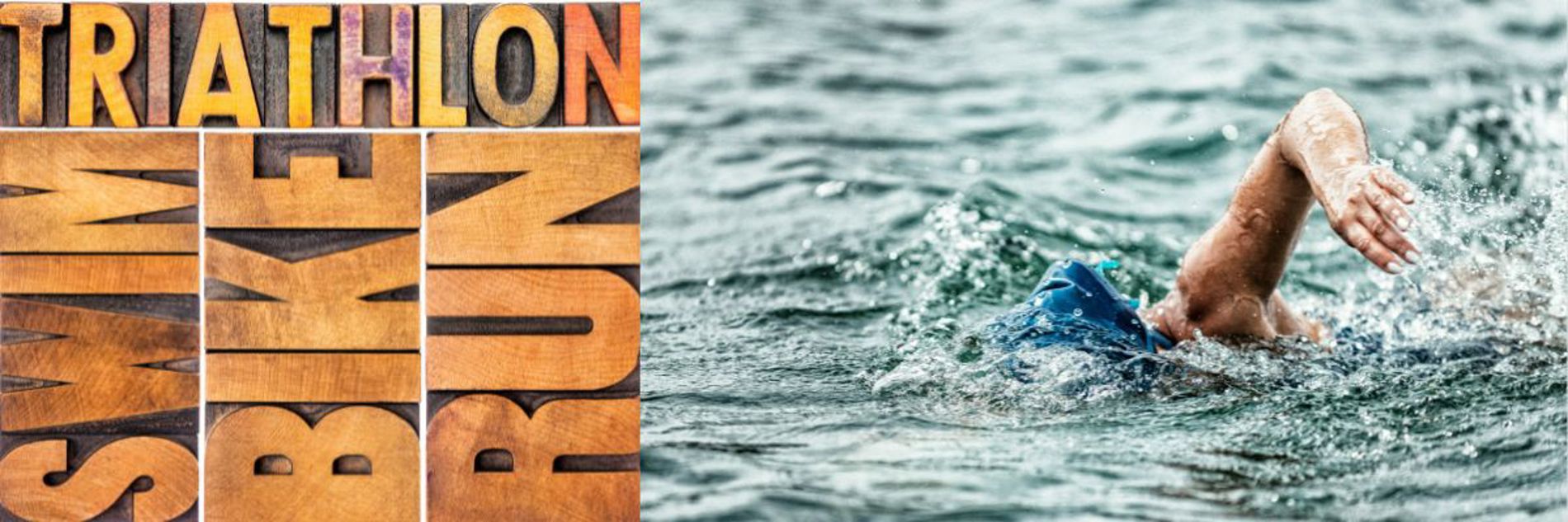
A triathlon combines three sports completed back-to-back:
- Swim – in open water or a pool
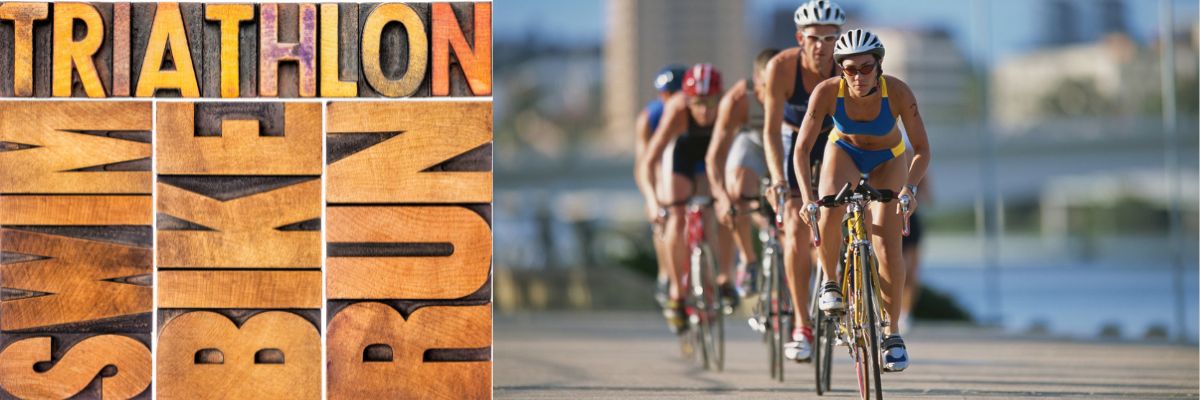
- Bike – on the road
- Run – typically a road or trail run
Beginners often start with shorter distances, most commonly:
- Super Sprint – approx. 400m swim / 10km bike / 2.5km run
- Sprint – 750m swim / 20km bike / 5km run
And then move on to the longer distances:
Olympic/Standard – 1.5km swim / 40km bike / 10km run
Half Ironman/70.3 – 1.2 mile swim / 56 mile bike / 13 mile run
Ironman – 2.4 mile swim / 112 mile bike / 26.2 mile run
You don’t need to be fast at all three. You just need to keep moving.
Why 2026 Is a Great Time to Start
Triathlon in 2026 is more beginner-friendly than ever:
- Affordable tech – GPS watches, smart trainers, and training apps are cheaper and simpler to use
- Better race support – clearer rules, staggered group starts, and beginner briefings
- More flexible training – hybrid plans combining indoor and outdoor sessions
- Stronger community focus – local clubs and social triathlons welcoming first-timers
You no longer need elite equipment or endless free time to get involved.
What You Actually Need to Begin
One of the biggest myths about triathlon is that it’s expensive. To start, you only need the basics:
.jpg)
Swim
- A swimsuit or tri-suit
- Goggles
- A wetsuit (only for open water; many races require one early season)
Bike
- Any roadworthy bike (road, hybrid, mountain or even gravel)
- A helmet (mandatory)
- Basic bike maintenance (brakes and gears working properly)
.jpg)
Run
- A pair of comfortable running shoes
That’s it. Aero helmets, carbon wheels, and £3,000 bikes can wait!
Training for Your First Triathlon
A common beginner mistake is trying to train too much. Consistency matters more than volume.
A Simple Weekly Structure
For most beginners, this works well:
- 2 swims (technique-focused)
- 2 bike sessions (one steady, one shorter or indoor)
- 2 runs (easy pace)
- 1 rest day
That’s around 5–7 hours per week.
Key Beginner Tips
- Keep most sessions easy
- Focus on technique before speed
- Practise bike-to-run transitions (they feel harder than expected)
- Build gradually over 10–12 weeks
In 2026, many beginners follow app-based plans or work with a coach remotely—both are effective if the plan fits your lifestyle.
Open Water Confidence
For many newcomers, the swim is the most intimidating part.
If you’re nervous:
- Start in a pool-based triathlon
- Join a supervised open-water venue
- Practise swimming in a wetsuit before race day
Remember: you can swim breaststroke, take breaks, and go at your own pace. You are never expected to race flat-out.
Choosing Your First Race
When picking your first event, look for:
- Short distances (super sprint or sprint)
- Beginner waves or first-timer briefings
- Calm swim venues (lakes or pools)
- Good reviews and clear race communication
Local races often provide the best experience and atmosphere for newcomers.
Nutrition and Recovery Basics
You don’t need complicated nutrition strategies.
- Eat normally and regularly
- Stay hydrated
- For sessions under an hour, water is usually enough
- Prioritise sleep and rest days
Recovery is where fitness actually improves.
The Mental Side of Triathlon
Your first triathlon isn’t about time or position.
It’s about:
- Learning how race day works
- Managing nerves
- Finishing something new
Every experienced triathlete remembers their first race. Crossing the line is a genuine achievement—no matter how long it takes.
Final Thoughts
Starting triathlon in 2026 is less about being an athlete and more about being curious.
If you can swim a little, ride a bike, and jog—even separately—you can become a triathlete.
Sign up. Train smart. Enjoy the process.
Your first finish line might just be the start of something bigger.
Want further help with what's best for you, your set up and your goals, pop in and see us in store or call us on 01455 558951